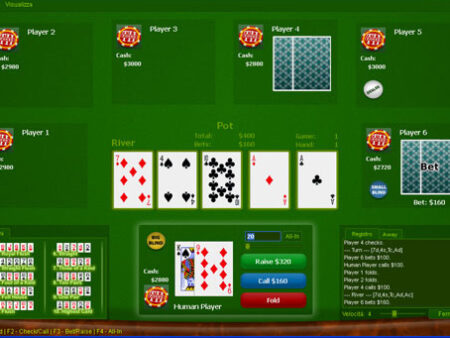
The online gambling industry has undergone a dramatic transformation, propelled by technological advancements and shifting player demands. From basic poker rooms and slot games, it has evolved into a sophisticated ecosystem of diverse platforms and immersive experiences. In 2025, blockchain technology is emerging as a game-changer, redefining trust, efficiency, and accessibility in online gambling. This article explores how blockchain is reshaping the industry, addressing the limitations of centralized systems and introducing innovative solutions like cryptocurrency-based platforms, including top Ripple casinos.
![A digital illustration of cryptocurrency coins and casino chips glowing against a dark backdrop, symbolizing the fusion of blockchain and Online Gambling.]
The Challenges of Centralized Gambling Platforms
Traditional Online Gambling casinos operate on centralized models, where a single entity controls operations, funds, and game outcomes. Despite regulatory oversight and third-party audits, this structure has notable drawbacks:
- Opaque Operations: Players cannot independently verify game fairness, relying on the operator’s integrity.
- Security Risks: Centralized databases are vulnerable to hacks and data breaches, compromising user information.
- Slow Transactions: Fiat-based deposits and withdrawals can take days, often with high fees.
- Restricted Access: Geographic and banking regulations limit player participation in certain regions.
- High Costs: Intermediaries like banks impose significant transaction fees, reducing player returns.
These issues have fueled demand for a more transparent, secure, and efficient Online Gambling model, which blockchain technology is uniquely positioned to deliver.
How Blockchain Revolutionizes Online Gambling
Blockchain, a decentralized and immutable ledger, records transactions across a network of computers, ensuring security and transparency. Its integration into online gambling addresses longstanding challenges and introduces transformative benefits:
1. Provably Fair Gaming
Blockchain enables provably fair gaming through cryptographic algorithms, allowing players to independently verify game outcomes. Whether it’s a slot spin, dice roll, or card draw, players can confirm randomness using mathematical proofs, eliminating doubts about manipulation. This transparency fosters trust without relying on third-party auditors.
2. Enhanced Player Control
Unlike traditional casinos, where funds are held in centralized accounts, blockchain platforms allow players to retain control of their assets in personal cryptocurrency wallets. Smart contracts—self-executing agreements on the blockchain—automate bets and payouts, reducing reliance on intermediaries and ensuring swift, accurate transactions.
3. Rapid, Low-Cost Transactions
Cryptocurrency transactions, particularly on fast networks like Ripple, bypass traditional banking systems, enabling near-instant deposits and withdrawals with minimal fees. This efficiency contrasts sharply with fiat-based systems, where delays and costs are common, making blockchain platforms highly appealing to players seeking speed and affordability.
4. Privacy and Anonymity
Blockchain gambling requires only a crypto wallet address, minimizing the need for personal information. This pseudonymity protects player privacy, reduces identity theft risks, and appeals to users in regions with restrictive gambling laws, creating a safer and more discreet gaming experience.
5. Global Reach
Blockchain’s borderless nature overcomes geographic and regulatory barriers. Players worldwide can access decentralized platforms with just an internet connection and a crypto wallet, fostering a more inclusive gambling ecosystem. While legal complexities persist, this global accessibility expands market potential significantly.
You can read this blog also :- https://superscorez.com/online-casino-games-2/
The Power of Smart Contracts
Smart contracts are pivotal to blockchain gambling, automating processes like bet placement, outcome determination, and payouts. These self-executing codes, stored immutably on the blockchain, ensure fairness and eliminate human error. For example, in a poker game, a smart contract can manage bets, verify results, and distribute winnings in real-time, enhancing efficiency and trust.
Regulatory and Ethical Challenges
Despite its advantages, blockchain gambling faces hurdles:
- Regulatory Uncertainty: Operating across borders complicates compliance with varying gambling laws, requiring platforms to navigate diverse jurisdictions.
- Potential Misuse: Anonymity raises concerns about money laundering or underage gambling, necessitating robust verification systems.
- Player Psychology: The thrill of gambling, amplified by blockchain’s speed and accessibility, underscores the need for responsible gaming tools to prevent addictive behaviors.
To address these, some platforms adopt hybrid models, blending decentralization with regulatory compliance. Others explore decentralized autonomous organizations (DAOs), where token holders collectively govern platform rules, promoting community-driven transparency and ethical standards.
The Decentralized Future of Gambling
Blockchain is not a fleeting trend but a foundational shift in online gambling. By prioritizing transparency, security, and player empowerment, it addresses the shortcomings of centralized systems. As user interfaces improve and regulations adapt, blockchain platforms are poised for widespread adoption among casual and professional players alike.
In 2025, the rise of decentralized casinos, including those leveraging fast cryptocurrencies like Ripple, signals a new era of fair, efficient, and accessible gambling. Players gain unprecedented control, outcomes are verifiable, and trust is embedded in the system. As blockchain continues to evolve, it’s clear: the future of online gambling is decentralized, and the revolution is just beginning.