The anticipation was palpable across America as millions of hopeful dreamers clutched their tickets on Tuesday evening, August 26th, waiting for those life-changing Mega Millions winning numbers to be revealed. The jackpot had surged to an impressive $253 million after no ticket matched all the winning numbers in the previous drawing on Friday, August 22. In Tuesday’s draw, the Mega Millions winning numbers were 7, 12, 30, 40, 69, with the Mega Millions Ball 17.
For countless Americans, this wasn’t just another lottery drawing; it was a moment suspended between reality and possibility, where ordinary people allowed themselves to imagine extraordinary lives. Every number called represented someone’s birthday, anniversary, or lucky charm, transforming mathematical probability into deeply personal hope.
The Numbers That Sparked a Million Dreams
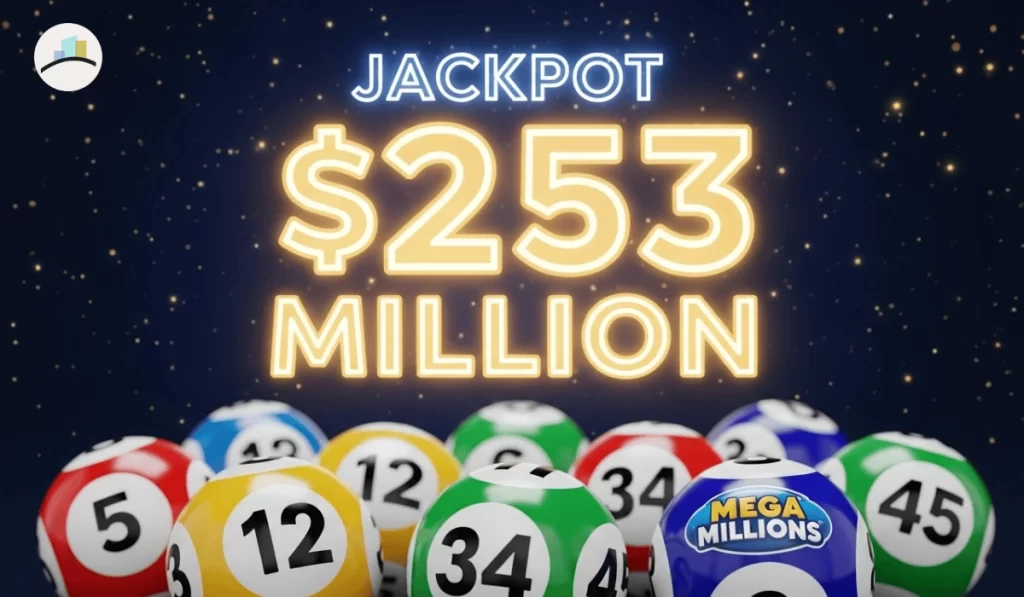
The winning Mega Millions numbers for August 26 were 7, 12, 30, 40, and 69, with the golden Mega Millions Ball 17. These six numbers, randomly selected by the lottery’s computerized system, held the power to transform someone’s entire existence. Yet behind each number lies a story, perhaps the day someone got married (the 12th), a significant birthday (the 30th), or simply a gut feeling about lucky number 7.
What makes these particular numbers fascinating isn’t just their potential to create instant millionaires, but the human stories they represent. Across gas stations, grocery stores, and convenience shops from coast to coast, people carefully filled out their play slips, some using family birthdays, others trusting the quick-pick option, and many following systems they’ve developed over years of faithful playing. The beauty of the Mega Millions lies not just in its massive jackpots, but in how it brings together people from all walks of life. The construction worker buying a ticket during his lunch break, the retired teacher using her grandchildren’s ages, the college student spending her last five dollars on hope, all united, bound together by the same set of numbers and the same seemingly impossible dream.
You can read this blog also :- Win Big in 2025: Your Complete Guide to the Best Casino with Real Money Online
Breaking Down the $253 Million Dream
Winners of the August 26th jackpot would have had the choice between the full $253 million paid out over 30 annual payments or a one-time lump sum cash option of $113.8 million. This decision represents one of life’s most enviable dilemmas—how do you want to receive your fortune?
The annuity option provides financial security and protection against the temptation to overspend, delivering approximately $8.4 million annually for three decades. It’s the choice of those who understand that sustained wealth often outlasts sudden windfalls. Many financial advisors recommend this option for individuals without extensive experience managing large sums of money. Conversely, the lump sum option appeals to those who prefer immediate control over their destiny. While the $113.8 million figure might seem significantly smaller than the advertised jackpot, it still represents more money than most people could spend in several lifetimes. This choice often appeals to younger winners or those with specific investment strategies in mind.
The psychological impact of either choice is profound. Winners must grapple not just with newfound wealth, but with the responsibility it brings. Studies show that lottery winners often experience initial euphoria followed by a period of adjustment as they navigate their transformed circumstances.
The Human Side of Lottery Fever
What makes the Mega Millions particularly compelling isn’t just the mathematics of winning, it’s the deeply human ritual it represents. Twice weekly, millions of Americans participate in a collective act of hope, purchasing what amounts to a ticket to their dreams.
Consider Maria, a single mother from Ohio who works two jobs to support her children. Every Tuesday and Friday, she stops at the same corner store and plays the same numbers, her children’s birthdays, and the date her late mother passed away. For her, the five dollars represents more than a lottery ticket; it’s permission to dream about paying off student loans, buying a home, or simply taking a vacation without worrying about the cost.
Then there’s Robert, a retiree from Florida who formed a lottery pool with fifteen of his former coworkers. They’ve been playing together for eight years, never winning more than a few hundred dollars, but their biweekly meetings have become cherished social gatherings. The lottery gave them a reason to stay connected long after retirement had separated them. These stories multiply across America, each ticket representing someone’s hope, dreams, and sometimes desperate circumstances. The Mega Millions winning numbers aren’t just digits drawn from a machine; they’re the focal point of millions of personal narratives about struggle, aspiration, and the persistent belief that tomorrow could be different from today.
The Psychology of Playing the Numbers
Understanding why people play the lottery reveals fundamental aspects of human nature. Despite odds of approximately 1 in 302 million for winning the jackpot, Americans spend billions annually on lottery tickets. This isn’t simply poor mathematical understanding; it’s a complex interplay of psychology, hope, and the human need to believe in possibility.
Behavioral economists have identified several psychological factors that drive lottery participation. The “availability heuristic” makes people overestimate their chances of winning because lottery winners receive significant media attention, making success seem more common than it actually is. Additionally, the concept of “probability neglect” means that when potential outcomes are emotionally significant enough, people tend to ignore the actual likelihood of occurrence.
For many players, the value of a lottery ticket extends beyond the slim chance of winning. It provides several days of anticipation, planning, and dreaming, psychological benefits that some argue justify the cost. The ticket becomes a catalyst for conversations about “what if,” allowing people to explore their values, priorities, and desires in a low-stakes environment. There’s also a social element to lottery playing that transcends individual participation. Office pools, family traditions, and community discussions around large jackpots create shared experiences and connections. The Mega Millions becomes a topic of conversation that crosses economic and social boundaries, providing common ground for discussions about hopes and dreams.
Strategies, Superstitions, and Systems
Every regular lottery player has developed their own approach to selecting numbers, and the August 26th drawing was no exception. Some people swear by birthdays and anniversaries, creating personal connections to their chosen numbers. Others trust completely in quick-pick selections, believing that random chance offers the best opportunity for success.
Mathematical purists argue that every combination has an equal chance of winning, making any selection strategy ultimately meaningless. However, they acknowledge that avoiding commonly chosen numbers (like birthdates, which limit selections to numbers 1-31) can reduce the likelihood of sharing a jackpot with other winners. Experienced players often develop elaborate systems involving number frequency analysis, studying which numbers have been drawn most or least often in recent drawings. While mathematically each drawing is independent, these systems provide players with a sense of control and strategy in an otherwise random process.
Superstitions play a significant role in number selection as well. Lucky stores where winners have previously purchased tickets often see increased business before major drawings. Some players insist on buying tickets at specific times of day or from particular cashiers. While these behaviors have no statistical impact on winning chances, they contribute to the ritual and experience of playing.
The Ripple Effects of Mega Millions Fever
The impact of large Mega Millions jackpots extends far beyond individual ticket purchasers. Retail locations see increased foot traffic during high-jackpot periods, often leading to additional purchases beyond lottery tickets. Gas stations, convenience stores, and grocery stores strategically position lottery displays near checkout counters, capitalizing on impulse buying behavior.
Local economies benefit from lottery excitement as well. When jackpots reach significant levels, people often travel to neighboring states if their home state doesn’t participate in Mega Millions, or they seek out stores with reputations for selling winning tickets. This lottery tourism, while modest, can provide meaningful revenue to small businesses. Media coverage of large jackpots creates a feedback loop that increases public interest and participation. News stories about jackpot growth, previous winners, and odds of winning keep the lottery in public consciousness, driving additional ticket sales and further increasing the jackpot for subsequent drawings.
The educational and social programs funded by lottery proceeds represent another significant impact. Most participating states dedicate lottery profits to education, parks, or other public services. While critics argue about the ethics of funding government programs through what essentially amounts to a voluntary tax on hope, supporters point to the tangible benefits these funds provide to communities.
After the Drawing: Dreams and Reality
As the August 26th Mega Millions winning numbers were announced, 7, 12, 30, 40, 69, and Mega Millions Ball 17, millions of people across America experienced that familiar mixture of hope and disappointment. The vast majority discovered their numbers didn’t match, leading to the inevitable mental calculation of “what if I had chosen different numbers?”
For the few who matched some numbers, smaller prizes provided consolation and validation that winning is possible. Mega Millions offers multiple prize tiers, with Match 5 prizes reaching up to $5 million when the optional Megaplier is included. These secondary winners often experience renewed enthusiasm for future drawings, having proven to themselves that success is achievable.
The absence of a jackpot winner for the August 26th drawing means the prize will continue growing for the next drawing, likely reaching even more impressive heights. This cycle of anticipation, drawing, and rollover has become a fundamental rhythm in American life, providing regular opportunities for collective dreaming and individual hope. Whether anyone held the winning ticket for all six numbers remains to be seen, as winners often take time to verify their tickets and seek professional advice before claiming their prizes. The possibility that someone’s life changed forever on August 26th adds an element of ongoing suspense to the story.
Conclusion: More Than Just Numbers
The Mega Millions winning numbers from August 26th—7, 12, 30, 40, 69, and Mega Millions Ball 17, represent far more than a mathematical sequence. They embody the dreams, hopes, and aspirations of millions of Americans who dare to imagine that their lives could change in an instant.
While the odds remain astronomical and most players will never win the jackpot, the value of the Mega Millions extends beyond monetary prizes. It provides a socially acceptable way to dream big, a conversation starter that crosses all demographic boundaries, and a biweekly reminder that extraordinary things can happen to ordinary people. As the jackpot rolls over to the next drawing, growing larger and more tantalizing, the cycle begins anew. Millions of Americans will once again invest five dollars in hope, selecting their numbers with care, superstition, or randomness, united in the belief that next time might be different.
The Mega Millions winning numbers may be drawn by machine, but they’re powered by the most human of emotions, hope for a better tomorrow, and the courage to believe that dreams, however unlikely, can sometimes come true.