If you’re an Australian who relaxes by opening “just one more tab,” you’re in good company. In recent years, browser-based fun has evolved from a fringe distraction into a mainstream leisure ritual. What changed? A perfect storm of better browsers, faster home internet, flexible work, and a wave of content designed to run smoothly without downloads. Add in a cultural love of laid-back, low-friction entertainment, and you have an activity that fits the Aussie lifestyle like thongs on a summer day.
This detailed guide unpacks why adults are leaning into browser entertainment, how it actually works, which experiences are booming, and how to keep things healthy, affordable, and safe.
What counts as “browser-based fun”?

Think of your browser as an entertainment console that’s already on your device. Browser-based fun includes:
- Casual games and lightweight strategy titles that run in a tab.
- Streaming video, music, podcasts, and live events via web players.
- Social experiences: forums, web communities, watch parties, and browser voice-chat.
- Interactive learning: quizzes, language lessons, creative tools, and fitness classes.
- Cloud gaming and rich WebAssembly/WebGL experiences that feel close to native apps.
All of this works on laptops, desktops, tablets, and phones, with no updates, no storage anxiety, and no complicated setup.
The big driver: convenience you can touch
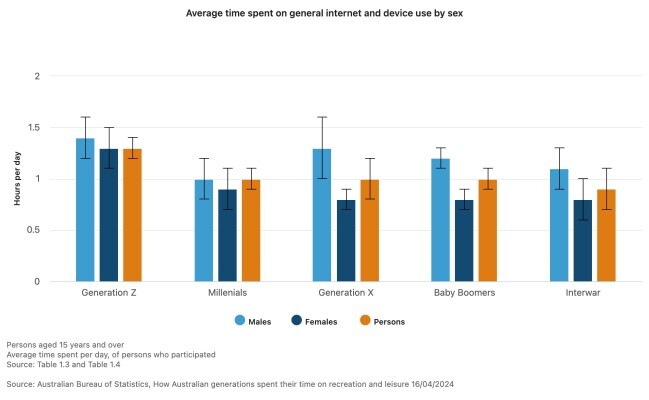
Life’s busy. Browser entertainment wins because it’s instant. No gigabyte downloads, no controller pairing, no “please update before you play.” You open a tab, you’re in. That immediacy reduces the activation energy between “I’ve got ten minutes” and “I’m actually having fun.” For adults juggling commutes, kids, studies, or gig work, those micro-moments matter.
Cost control in a cost-of-living era
With budgets under pressure, many Aussies are rethinking how much they spend on leisure. Browser-based options often come free, ad-supported, or with flexible monthly plans. There’s less hardware FOMO and fewer sunk costs. You can dabble across genres, cancel anytime, or stick to free tiers without feeling locked out of the party.
The tech leap: browsers grew up

Modern browsers are powerhouses. They support hardware acceleration, offline caching, and technologies like WebAssembly and WebGPU that let complex apps run snappily in a tab. Translation: puzzle games feel silky, strategy titles manage bigger worlds, and creative tools render faster. Paired with stable home internet, that means “good enough” often becomes “genuinely great.”
Cloud gaming from the couch (or desk)
Cloud services stream high-end games to a browser so your device does minimal heavy lifting. For time-poor adults, this removes the friction of patches, storage, and upgrades. You can jump into a session on lunch, then continue later on the TV or tablet. It’s gaming reimagined as a service that bends around your schedule.
Microbreak entertainment and mood management
Short, satisfying activities, crosswords, word games, quick races, and five-minute videos slot neatly into microbreaks. Many adults report that a quick puzzle or chill stream helps them decompress between tasks, without derailing the day. The browser makes that reset one click away.
Social connection that doesn’t feel heavy

Not every hangout has to be a big night out or a long voice chat. Browser communities thrive because they’re drop-in, drop-out. Post a meme, answer a thread, pair up for a match, leave a reaction on a live stream, and bounce. That lightness keeps people returning, a connection without commitment.
Variety without commitment
The browser is a sampler platter. You can try niche genres, indie creators, or hyper-specific communities without a sign-up marathon. If you don’t vibe, you close the tab. If you enjoy it, you bookmark it and come back later. This “low-stakes discovery” loop rewards curiosity and keeps boredom at bay.
Accessibility across devices and places
Because experiences are synced to an account or cookie rather than an install, you can continue on whatever screen is nearby. That’s handy for adults who split time between home, office, travel, and family spaces. It’s equally friendly to older devices that might struggle with heavy native apps, but handle a smart browser just fine.
The Aussie context: culture and infrastructure
Australians tend to value balance….work hard, then switch off. Browser fun dovetails with that ethos: easy to start, easy to stop, good for a laugh, and great for sharing. Meanwhile, home broadband and mobile networks continue to improve, making web players stable and responsive. When reliability meets a chilled-out attitude to leisure, the browser shines.
What’s trending right now?
- Cozy and wholesome games: low-pressure loops, daily quests, and creative sandboxes.
- Drop-in multiplayer: trivia, party games, and quick co-op challenges.
- Short-form videos in the browser: creators premiering episodes and hosting live Q&As on web players.
- Watch-together tools: extensions and sites that sync streams for friends across cities.
- Creative web apps: music sketchpads, photo editors, and AI-assisted art in a tab.
- Learning made fun: bite-sized lessons, daily streaks, and engaging community challenges.
How browser entertainment fits adult life stages
- Young professionals: five to fifteen-minute breaks between meetings; social games after work.
- Parents and carers: quiet-time puzzles; shared kid-friendly games; late-night streams.
- Students and up-skillers: budget-friendly fun mixed with learning apps and study breaks.
- Remote and hybrid workers: microbreaks to reset; lunchtime streams; after-hours communities.
- Active retirees: brain-training games; hobby forums; virtual clubs with gentle schedules.
Safety, privacy, and digital well-being

A healthy experience is intentional. Use privacy settings, two-factor logins, and password managers. Choose reputable sites, block pop-ups, and keep the browser updated. For well-being, build gentle guardrails: enable focus timers, schedule screen breaks, and set “lights-out” hours so fun doesn’t bleed into sleep. Curate feeds and mute features that spike stress.
Smart ways to save while you play
- Start with free tiers; only upgrade when a site becomes a habit.
- Share family plans where allowed; rotate subscriptions monthly.
- Use browser profiles to separate work, personal, and play.
- Track small purchases; many tiny “whys” add up to a big “whoa.”
- Grab community bundles and seasonal deals instead of impulse buys.
Turning fun into connection
A powerful shift is social by design. Host a watch party, join a weekly trivia league, or co-build a city in a chill sim. Rotate “game of the week” with friends. Celebrate small wins in a community Discord or forum. Browser-based fun becomes a ritual that strengthens ties without logistical stress.
From nostalgia to now
Many adults grew up with Flash games and early web communities. Today’s browser experiences feel like a polished remix: faster, prettier, more social, and far more secure. That blend of nostalgia and novelty is catnip, familiar enough to be comforting, fresh enough to stay engaging.
The hidden skills you build
It’s not all play. Strategy games sharpen planning and resource trade-offs. Puzzles boost pattern spotting and vocabulary. Music and art tools flex creativity. Co-op games train communication and calm under pressure. The trick is picking experiences that gently stretch you while still feeling like fun.
How to build a balanced browser routine
- Pick two to three go-to activities you genuinely enjoy.
- Set a soft cap for weekdays and a looser cap on weekends.
- Anchor sessions to natural transitions, after dinner, post-workout, or on the train.
- Keep snacks and water handy; comfort boosts satisfaction and helps you stop on time.
- Review monthly: What energized you? What dragged? Keep the good, prune the rest.
For creators and brands: why the browser matters
The browser lowers friction for audiences and lowers risk for makers. Your work is one link away from a first impression, shareable on any platform, and measurable with built-in analytics. For Australian creators, it’s a path to reach local fans and the world without asking them to install anything first. Earn trust in the tab; the app can come later.
Quick start: build your personal “fun stack”
- A cozy daily game for micro-joy.
- One social space where you feel welcome.
- A watch-together tool for friends.
- A creative or learning app that nudges growth.
- A long-form series you save for weekends.
Mix those five and you’ve got variety, connection, and progress… without decision fatigue.
Potential pitfalls (and how to dodge them)
- Mindless scrolling: Use time-boxed sessions and intentional lists.
- Ad overload: Try reader modes, premium tiers, or reputable blockers.
- Late-night binges: Schedule auto-shut reminders; move devices away from bed.
- Spending creep: Keep receipts in a single folder; review monthly.
- Toxic chats: Mute, block, and relocate. Your vibe is worth protecting.
The bottom line
Aussie adults are investing more leisure time in the browser because it’s convenient, flexible, social, and cost-smart. Modern web tech turned tabs into playgrounds, studios, cinemas, and clubs, available on almost any device you own. When you pair that with mindful habits and a community that feels like yours, browser-based fun stops being filler and starts feeling like a rewarding, sustainable part of everyday life.